From Passports to Paper Maps: The New Must-Have Travel Items
Travel isn’t what it used to be—and that’s not necessarily a bad thing. Since the pandemic, even quick weekend getaways require more planning, more documentation, and a little more foresight. Whether you’re hopping on a plane or hitting the road, being prepared can mean the difference between a smooth trip and a stressful one.
Before you pack your bags, here are the modern travel essentials you’ll want to have covered.
Passport: Your Golden Ticket
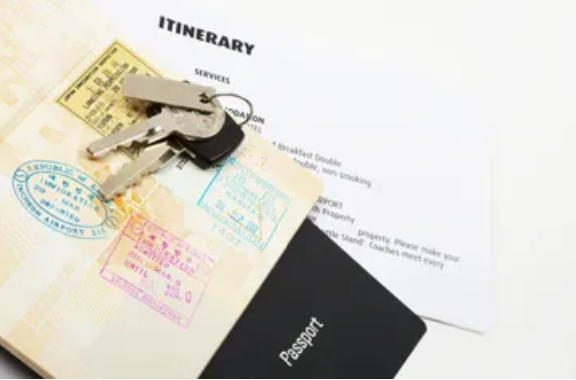
A valid passport is still the most important travel document you’ll own. It’s required for all international travel and re-entry into the U.S., and it doubles as a powerful secondary form of identification. While passport cards are cheaper and convenient for land or sea travel to select destinations, they cannot be used for international flights.
Pro tip:
Apply well in advance. Standard processing can take six weeks or more, and delays are common during peak travel seasons. Always check your passport’s expiration date—many countries require at least six months of validity beyond your return date.
A protective passport holder is also worth the investment, especially if you’ll be moving through multiple airports or climates.
Vaccination & Health Records
While requirements vary by destination, proof of vaccination or health documentation may still be requested by airlines, cruise lines, or international border officials. Even when it’s not mandatory, having your records accessible can prevent unnecessary delays.
Updated tip:
Keep both a physical copy and a digital backup stored securely on your phone or cloud service. If you’re exempt from certain vaccinations, carry official documentation at all times.
Check destination-specific health requirements before traveling—rules can change quickly.
Emergency Contacts (Yes, the Old-School Kind)
In a true emergency, a dead phone or lack of service can leave you stuck. Having critical information written down is a simple but often overlooked safeguard.
Your emergency list should include:
- Your full name and passport number
- Country of citizenship
- At least one trusted emergency contact with phone numbers
- Bank and credit card toll-free numbers
- Travel or medical insurance provider and policy number
- Local embassy or consular services at your destination
Bonus tip:
Keep one copy in your carry-on and another in your checked luggage.
Paper Maps: The Ultimate Backup
Yes, Google Maps is amazing—until your phone dies, you lose service, or you’re navigating a remote area. A paper map may feel old-fashioned, but it’s still one of the most reliable travel tools you can carry.
AAA members can request TripTiks, which provide customized routes, points of interest, and rest stops. Even a basic city map can be a lifesaver when technology fails.
Packing Smart (Not Heavy)
Overpacking is one of the easiest ways to slow yourself down—and rack up baggage fees. Packing light gives you flexibility, saves money, and leaves room for souvenirs or unexpected purchases.
Smart packing tips:
- Choose versatile clothing you can mix and match
- Stick to travel-size toiletries when possible
- Roll clothes instead of folding to save space
- Wear your bulkiest items (jackets, boots) while traveling
Remember: most destinations have stores. You don’t need to bring everything with you.
Reservations Are No Longer Optional
Spontaneous travel looks great on social media, but in reality, many attractions now require advance reservations. Restaurants, tours, museums, and even national parks may sell out days—or weeks—ahead.
Updated recommendation:
Confirm reservations 24–48 hours before your activity and keep screenshots saved offline in case Wi-Fi isn’t available.
Final Thoughts: Prepare, Then Stay Flexible
The key to modern travel is preparation with room to adapt. Research your destination thoroughly, print copies of important documents, and avoid unfamiliar areas unless you’ve done your homework. Always have a Plan B—weather, delays, and policy changes happen.
Prepared travelers don’t just travel better—they travel with confidence.
This is not a paid advertisement.